A fade haircut depends on precise length transitions, and excessive trimming between cuts often causes the fade to lose its shape faster. Many people mistakenly try to keep fades sharp by cutting too often, which leads to uneven blending and rushed regrowth cycles. By understanding fade longevity, limiting at-home trimming, and prioritizing strategic maintenance habits, you can keep a fade looking clean, balanced, and intentional without constantly cutting it down.
What Is a Fade Haircut?
A fade haircut is a hairstyle where hair gradually transitions from shorter lengths near the neckline and sides to longer hair toward the top of the head. The defining characteristic is seamless blending, not abrupt length changes. Common fade variations include low fade, mid fade, high fade, and skin fade.
Unlike a taper haircut, which maintains length and shape, a fade removes bulk and exposes skin or very short hair, making precision and upkeep more important.
Why Fade Haircuts Require Regular Maintenance
Fade haircuts require frequent maintenance because hair growth disrupts blending quickly. As hair grows, the gradient effect becomes uneven, and clean lines around the hairline, temples, and nape lose definition.
Additionally, fades expose natural growth patterns, meaning even small amounts of regrowth can make the haircut appear unkempt. Regular upkeep ensures the fade maintains its sharp contrast, clean finish, and professional appearance.
How Often Should You Maintain a Fade Haircut?
Most fade haircuts need maintenance every 1 to 3 weeks, depending on fade type and hair growth rate. Shorter fades lose structure faster because the contrast between lengths becomes visible sooner.
For people with fast-growing hair, even a one-week delay can reduce the sharpness of the fade, especially around the neckline and sideburns.
Maintenance Frequency by Fade Type
| Fade Type | Recommended Maintenance Frequency | Reason for Frequency |
| Low fade | Every 2–3 weeks | Slower visible regrowth and softer contrast |
| Mid fade | Every 1.5–2 weeks | Requires consistent blend preservation |
| High fade | Every 1–2 weeks | Exposed contrast shows regrowth faster |
| Skin fade / bald fade | Every 5–10 days | Visible skin exposure requires frequent upkeep |
Shorter fade styles require more frequent touch-ups because there is less tolerance for uneven growth.
Hair Growth Rate and Maintenance Timing
Your hair growth rate directly affects fade longevity. People with thicker or faster-growing hair will notice regrowth sooner, especially around the temples and crown. Lifestyle factors such as physical activity, sweating, and sleep habits can also impact how quickly a fade looks worn.
Tracking how long your fade stays sharp helps determine the ideal maintenance schedule for your specific hair type.
Daily Fade Haircut Maintenance Routine
Daily care helps preserve the structure of a fade between cuts. While daily routines do not replace trimming, they protect the hair texture, scalp health, and overall appearance.
Washing and Scalp Care
Washing your hair 2–4 times per week prevents product buildup without stripping natural oils. Over-washing can dry out the scalp, making short fade areas appear flaky or uneven. Using a lightweight shampoo designed for short hairstyles helps maintain balance.
Healthy scalp conditions ensure even hair growth, which supports cleaner fade transitions over time.
Moisturizing and Styling
Applying a small amount of light styling product helps control texture without flattening the fade. Heavy pomades or waxes can clog pores and blur the fade’s contrast, especially on shorter sides.
The goal is definition, not weight, so minimal product use keeps the fade looking natural and sharp.
Weekly Fade Maintenance at Home
Weekly upkeep focuses on preserving the shape of the fade without attempting a full haircut. These touch-ups maintain cleanliness around visible areas while avoiding damage to the blend structure.
Cleaning the Neckline and Hairline
The neckline and front hairline are the first areas to show regrowth. Using a detail trimmer, lightly clean the edges every 5–7 days to restore sharpness. Always follow the natural line to avoid pushing the hairline back.
Consistent edge maintenance keeps the fade looking intentional even as the rest of the hair grows.
Blending Touch-Ups
Minor blending adjustments can be made using clipper guards one size higher than the shortest fade length. This prevents harsh lines while maintaining gradual transitions. Blending should only be attempted if you are comfortable using clippers.
Over-blending is a common mistake that removes structure and shortens the lifespan of the fade.
Tools You Need to Maintain a Fade Haircut
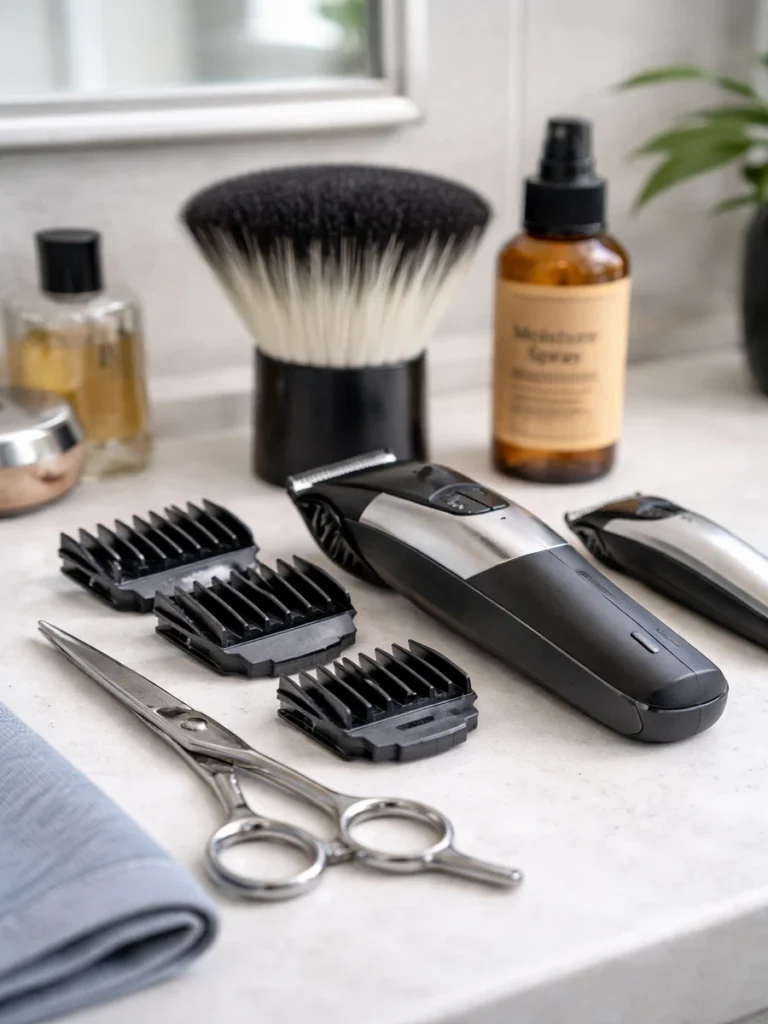
Using the correct tools ensures maintenance remains safe and effective. Professional-grade tools reduce the risk of uneven cuts and skin irritation.
- Hair clippers for light blending and bulk control
- Detail trimmers for neckline and edge cleanup
- Clipper guards to maintain consistent lengths
- Soft bristle brush to remove loose hairs
- Hand mirror to check the back of the head
Quality tools improve accuracy and reduce the need for frequent barber visits.
When to Visit a Barber for Fade Maintenance
While at-home care helps, professional maintenance is essential for preserving the fade structure. Barbers have the training and tools to restore smooth gradients and correct uneven growth.
If the fade loses its blend or develops visible lines, a professional visit is recommended.
Signs Your Fade Needs Professional Attention
- Visible steps between hair lengths
- Patchy growth or uneven blending
- Overgrown sides that no longer taper
- Misshapen neckline or crown area
Recognizing these signs early prevents the need for a full haircut reset.
How Often to Schedule Barber Visits
Most people benefit from a barber visit every 2–4 weeks, depending on fade type and personal standards. Skin fades often require more frequent visits, while low fades can last longer with proper home care.
Regular scheduling ensures consistency and prevents drastic corrections.
Communicating with Your Barber
Clear communication improves results. Mention your preferred fade height, maintenance goals, and how often you plan to return. Sharing how you maintain your fade at home helps the barber adjust the cut accordingly.
This collaboration leads to longer-lasting results and easier upkeep.
Expert Fade Haircut Services for Clean Lines and Lasting Precision
Keeping a fade sharp requires more than occasional trimming. It involves careful blending, proper fade placement, and controlled edge maintenance. A professional fade haircut service protects the structure of the gradient while allowing natural grow-out. For detailed craftsmanship and consistent results, trust a Camarillo salon skin fade specialist who understands advanced clipper work and scalp-sensitive finishing. Experienced barbers refine every transition with accuracy. As a result, your fade remains crisp, balanced, and professionally maintained.
Common Fade Maintenance Mistakes to Avoid
Avoiding common errors extends the lifespan of a fade haircut and prevents unnecessary damage.
- Over-trimming between cuts
- Using the wrong guard length
- Ignoring scalp health
- Waiting too long between maintenance sessions
- Applying heavy styling products
Small mistakes compound quickly with short hairstyles like fades.
Fade Haircut Maintenance vs Overcutting
| Aspect | Proper Fade Haircut Maintenance | Overcutting a Fade Haircut |
| Primary goal | Preserve blend structure and fade shape | Maintain constant short length |
| Trimming focus | Neckline cleanup and hairline edging | Recutting the fade gradient |
| Maintenance frequency | Every 5–7 days for edges | Multiple trims per week |
| Fade longevity | Fade lasts longer between barber visits | Fade breaks down faster |
| Visual result | Clean, balanced appearance | Uneven or flattened fade |
| Skill requirement | Basic grooming skill level | Advanced barber-level skill |
| Risk level | Low risk to fade integrity | High risk of blend damage |
| Recommended approach | Combine home care with professional barber visits | Avoid unless professionally trained |
How to Keep a Fade Haircut Looking Fresh Longer
Extending the life of a fade haircut depends on protecting the blend integrity and minimizing premature wear. Simple habits can significantly delay visible regrowth and maintain a clean appearance.
Protective Grooming Habits
Avoid excessive touching or scratching of the fade area, as this can disturb short hair patterns. After workouts, rinse or cleanse the scalp to prevent sweat buildup, which can dull contrast and irritate skin.
Wearing breathable headwear reduces friction around the temples and crown, preserving the fade shape.
Sleep and Sweat Management
Sleeping on rough pillowcases can cause friction that disrupts short fades. Using a smooth pillowcase or head covering reduces abrasion and maintains consistency in hair direction.
Managing sweat through regular cleansing helps maintain clean lines and prevents uneven texture in fade regions.
Product Moderation for Fade Haircuts
Using minimal styling product preserves natural contrast. Overuse leads to buildup that makes fades appear flat or blurry. Lightweight moisturizers or creams are best for maintaining texture without weighing hair down.
Product restraint keeps the fade visually sharp between maintenance sessions.
Final Takeaway: Fade Haircut Maintenance Summary
Maintaining a fade haircut requires consistent attention to timing, tools, and habits. Regular home care combined with scheduled barber visits ensures the fade remains clean, blended, and intentional.
By understanding your fade type, hair growth pattern, and maintenance limits, you can keep your fade looking fresh without overcutting or unnecessary effort.
FAQs About Maintaining a Fade Haircut
Yes, hair texture significantly impacts how a fade looks over time. Curly hair and coarse hair tend to mask minor regrowth, while straight hair shows uneven blending more quickly. Understanding your hair texture helps determine maintenance frequency and fade style suitability.
Yes, weather conditions such as humidity, heat, and cold air affect fade appearance. High humidity can cause frizz and blur clean transitions, while dry conditions may irritate the scalp and expose short fade areas. Adjusting care routines seasonally helps preserve fade sharpness.
A fade haircut can work with thinning hair if the fade height and contrast are adjusted carefully. Lower fades reduce emphasis on sparse areas, while high fades may expose thinning zones. A professional barber can adapt the fade to enhance perceived density.
Face shape affects where the fade sits and how quickly imbalance becomes noticeable. For example, higher fades on round face shapes may require more frequent edge maintenance to maintain proportion. Proper fade placement reduces the need for constant corrections.
Frequent use of helmets or tight hats can flatten short hair and disrupt fade direction, especially around the temples. Friction and sweat buildup may accelerate fade wear. Regular cleansing and light brushing help restore shape after use.
Yes, beard grooming plays a major role in fade aesthetics. An unblended beard fade transition can make a clean haircut look unfinished. Coordinating beard lineups with fade maintenance improves overall balance and visual continuity.