Choosing between a scissors fade and a clipper fade can significantly impact the final look, feel, and maintenance of a haircut. While both fall under the category of fade haircuts, they differ in cutting tools, fade technique, and visual outcome. Comprehending these differences helps determine which option best suits your hair type, style preference, and lifestyle needs.
What Is a Scissors Fade?
A scissors fade is a fade haircut created without relying on clipper guards or electric tools for the transition. Instead, it uses manual cutting techniques that allow for precise control over graduation, weight distribution, and head shape adaptation. This method is commonly associated with classic barbering and hairdressing disciplines.
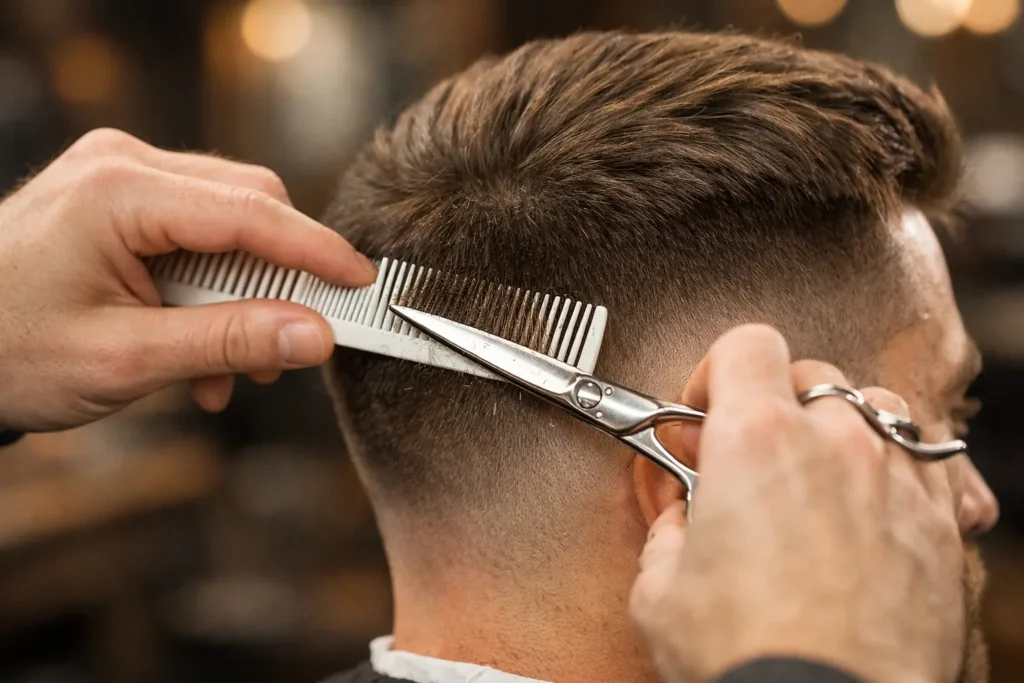
How a Scissors Fade Is Performed
The foundation of a scissors fade is the scissor-over-comb technique, where hair is lifted with a cutting comb and trimmed using hair cutting scissors. Barbers adjust comb angle, hand position, and cutting rhythm to control the fade’s progression. Freehand cutting is often used to refine transitions and remove subtle weight lines.
Characteristics of a Scissors Fade
A scissors fade is known for its seamless blend and natural finish, with no harsh demarcation between lengths. The transition appears softer because the hair is gradually reduced rather than stepped down by guards. This results in a haircut that grows out evenly and maintains a balanced silhouette over time.
When a Scissors Fade Is the Best Choice
A scissors fade is ideal for clients with thick hair who want controlled volume and texture. It suits professional environments, classic men’s hairstyles, and clients who prefer a low-contrast appearance. It is also a strong option when head shape customization and subtle contouring are priorities.
What Is a Clipper Fade?
A clipper fade is a fade haircut created primarily with electric clippers, using a structured guard system to taper hair from shorter to longer lengths. This method is dominant in modern barbering and is known for its speed, consistency, and high-contrast finish. Clipper fades are especially common in short hairstyles, skin fades, and trend-driven looks.
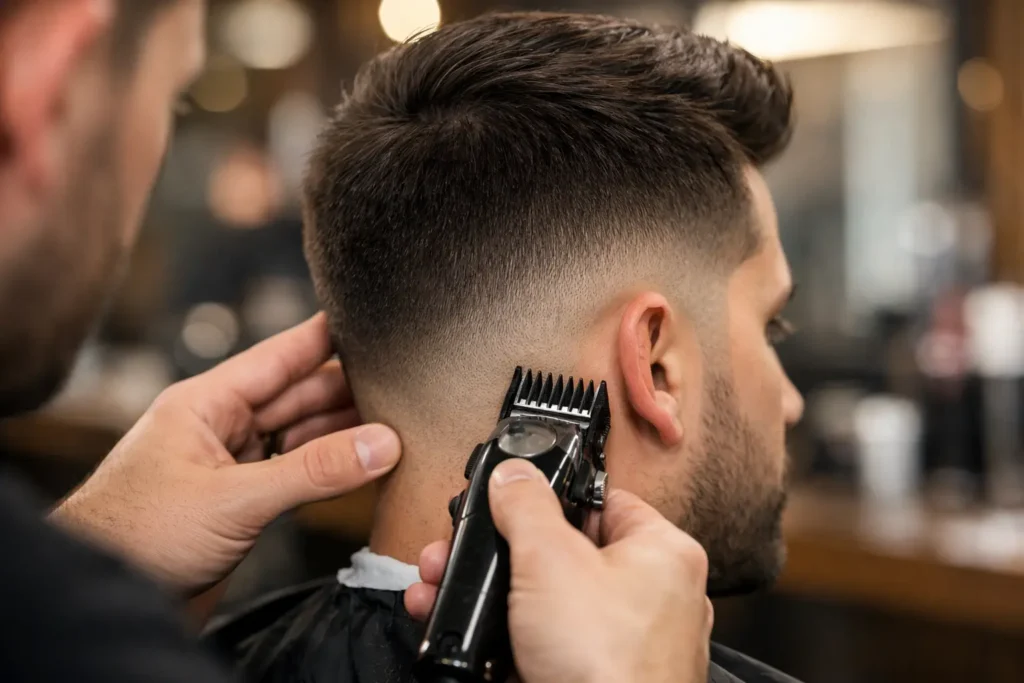
How a Clipper Fade Is Performed
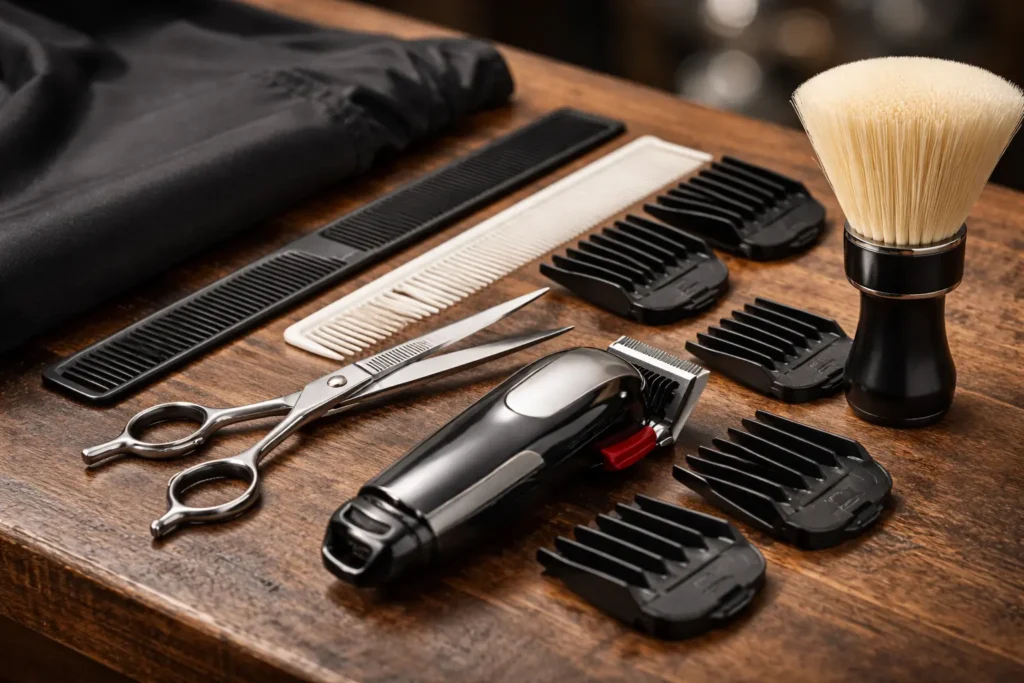
A clipper fade begins by establishing a baseline using electric clippers fitted with specific clipper guards. Barbers work progressively upward, changing guards or adjusting the clipper lever to create a gradual reduction in length. Trimmers are used to define outlines, while a foil shaver may be applied for a clean skin fade at the lowest section.
Characteristics of a Clipper Fade
A clipper fade is defined by its sharp transitions, clean gradients, and structured appearance. The contrast between lengths is more visible compared to a scissors fade, which creates a bold and intentional look. This style emphasizes definition, symmetry, and crisp edge work around the hairline.
When a Clipper Fade Is the Best Choice
A clipper fade is best suited for clients seeking modern hairstyles, short haircuts, or high-impact fades. It performs well on curly hair and coarse hair, where clippers can efficiently manage density. Clients who prefer low-maintenance upkeep and a consistently sharp appearance often choose this option.
What Is the Difference Between a Scissors Fade and a Clipper Fade?
A scissors fade is created using hair cutting scissors and scissor-over-comb techniques to produce a soft, natural transition, while a clipper fade relies on electric clippers, guard systems, and trimmers to achieve a sharp, high-contrast gradient. The primary difference lies in finish quality, precision control, and style outcome. Neither method is universally better; the best choice depends on hair type, desired look, and barber expertise.
Scissors Fade vs Clipper Fade Comparison
| Feature | Scissors Fade | Clipper Fade |
| Primary Tools | Hair cutting scissors, comb | Electric clippers, guards, trimmers |
| Finish Type | Soft finish, natural blend | Sharp finish, defined contrast |
| Precision Level | High manual precision | System-based precision |
| Speed | Slower execution | Faster execution |
| Best Hair Types | Thick hair, straight hair, wavy hair | Curly hair, coarse hair, short styles |
| Common Styles | Classic cuts, professional hairstyles | Modern fades, skin fades |
| Skill Dependency | Advanced cutting skill | Technical tool mastery |
Scissors Fade vs Clipper Fade: Technique Differences
The difference between a scissors fade and a clipper fade lies in execution, control, and visual outcome. Each technique relies on distinct tools and cutting philosophies, which directly affect the final look.
- Tools used: Hair cutting scissors and combs versus electric clippers, guards, and trimmers
- Blending method: Manual graduation versus guard-based stepping
- Fade transition style: Soft fade versus high-contrast fade
- Time required: Longer cutting time versus faster execution
- Margin for error: Skill-dependent precision versus system-guided consistency
These differences explain why barbers often select techniques based on client preference, hair texture, and desired finish.
Which Fade Has Better Blending?
Blending quality depends less on the tool and more on the cutting technique and barber experience. However, each fade type produces a distinct blending effect.
Seamless Blending in Scissors Fades
A scissors fade excels at creating a seamless blend by removing hair in micro-adjustments rather than fixed lengths. This allows the barber to eliminate weight lines gradually and maintain natural movement. The result is a fade that appears almost invisible, especially under natural lighting.
Sharp Blending in Clipper Fades
A clipper fade delivers a clean blend characterized by visible progression between lengths. While this can introduce transition lines, skilled barbers use lever control and clipper-over-comb techniques to smooth them out. The final look emphasizes clarity and definition rather than subtlety.
Which Fade Works Best for Your Hair Type?
Choosing between a scissors fade and a clipper fade often depends on hair type, density, and growth pattern.
Scissors Fade for Thick or Wavy Hair
A scissors fade offers superior control for thick hair and wavy hair by managing bulk without collapsing volume. The technique preserves texture while preventing an overly tight appearance.
Clipper Fade for Curly or Coarse Hair
A clipper fade is commonly preferred for curly hair and coarse hair, where clippers can efficiently create uniformity. This method helps maintain structure and prevents uneven shrinkage.
Head Shape Customization Differences
A scissors fade allows greater head shape adaptation through manual contouring, while a clipper fade follows a more standardized silhouette. Clients with asymmetrical head shapes often benefit from the flexibility of scissors-based techniques.
Which Fade Requires More Skill?
The skill requirement differs between a scissors fade and a clipper fade, though both demand professional training and experience. The distinction lies in manual precision versus tool-based control.
A scissors fade requires advanced mastery of precision cutting, hand coordination, and visual judgment. Because there are no guards to dictate length, the barber must rely on cutting angles, comb elevation, and graduation control. Mistakes are harder to correct, making this technique more dependent on expertise.
A clipper fade, while still technical, benefits from guard systems and lever adjustments that reduce variability. This makes it more accessible to newer barbers, though achieving a flawless skin fade still requires significant practice.
Which Fade Lasts Longer?
Fade longevity depends on starting length, hair growth rate, and blend softness.
A scissors fade tends to grow out more evenly because of its soft transitions and natural graduation. As hair length increases, the fade remains visually balanced, reducing the need for frequent touch-ups.
A clipper fade often appears sharper initially but loses definition more quickly, especially in skin fades. As short sections grow out, contrast decreases, prompting more frequent maintenance.
Scissors Fade Pros and Cons
A scissors fade is valued for its precision and natural appearance, but it also comes with trade-offs related to time and skill. The table below outlines the primary advantages and limitations to help determine whether this technique aligns with specific style goals and expectations.
| Aspect | Scissors Fade |
| Finish Quality | Natural finish with minimal contrast |
| Customization | Superior head shape customization |
| Grow-Out Behavior | Smooth grow-out phase |
| Style Compatibility | Ideal for classic hairstyles and professional looks |
| Skill Requirement | Requires advanced cutting skill |
| Service Time | Longer service time |
| Length Limitations | Limited suitability for ultra-short fades |
Clipper Fade Pros and Cons
A clipper fade is known for efficiency and bold visual impact, making it a staple of modern barbering. The following table highlights the strengths and drawbacks of this technique from both a stylist and client perspective.
| Aspect | Clipper Fade |
| Execution Speed | Fast execution and efficiency |
| Style Compatibility | Ideal for modern hairstyles and skin fades |
| Consistency | Reliable results using guard systems |
| Hair Type Suitability | Works well on curly hair and coarse hair |
| Blend Appearance | Less natural blending |
| Maintenance Visibility | More visible grow-out stages |
| Customization Range | Limited custom contouring |
How to Choose Between a Scissors Fade and a Clipper Fade
Choosing between a scissors fade and a clipper fade depends on style preference, lifestyle, and maintenance expectations. Clients seeking a soft, timeless appearance with flexibility should opt for a scissors fade. Those who prefer a bold, modern look with sharp definition will benefit from a clipper fade.
Consultation with a skilled barber ensures the technique aligns with hair texture, head shape, and personal style goals.
Final Thoughts on Scissors Fade vs Clipper Fade
Both the scissors fade and the clipper fade serve distinct purposes in modern grooming. The scissors fade emphasizes precision, natural flow, and customization, while the clipper fade prioritizes definition, speed, and trend-driven aesthetics. Understanding the differences allows clients to make informed choices and helps barbers deliver consistently high-quality results.
Scissors Fade vs Clipper Fade FAQs
A scissors fade often costs more due to increased service time, manual labor, and reliance on advanced precision cutting. Pricing also reflects the barber’s experience and the level of customization involved. A clipper fade is typically more standardized and therefore priced lower in many barbershops.
A scissors fade works particularly well with medium-length hairstyles and longer hair on top because it preserves flow, texture, and weight distribution. It allows for smoother integration between short and long sections compared to a clipper-based transition.
A clipper fade does not inherently damage hair or scalp when performed correctly. Issues typically arise from excessive pressure, dull clipper blades, or improper use on sensitive skin, rather than the technique itself.
A clipper fade tends to photograph better under studio lighting due to its high contrast and defined gradients. A scissors fade appears more subtle on camera but is often appreciated in close-up detail shots and natural lighting.
Yes, scissors fades are widely used in hair salons, European hairdressing, and editorial styling environments. They are especially common in settings that emphasize shape control, movement, and tailored finishes.
Yes, hot or humid climates often favor clipper fades because of their shorter base lengths and cooling effect. In contrast, scissors fades are preferred in cooler environments where layering and natural insulation are desirable.